Navigating the Heights: Unveiling the GPS Navigation System at Burj Khalifa
Category : | Sub Category : Posted on 2023-10-30 21:24:53
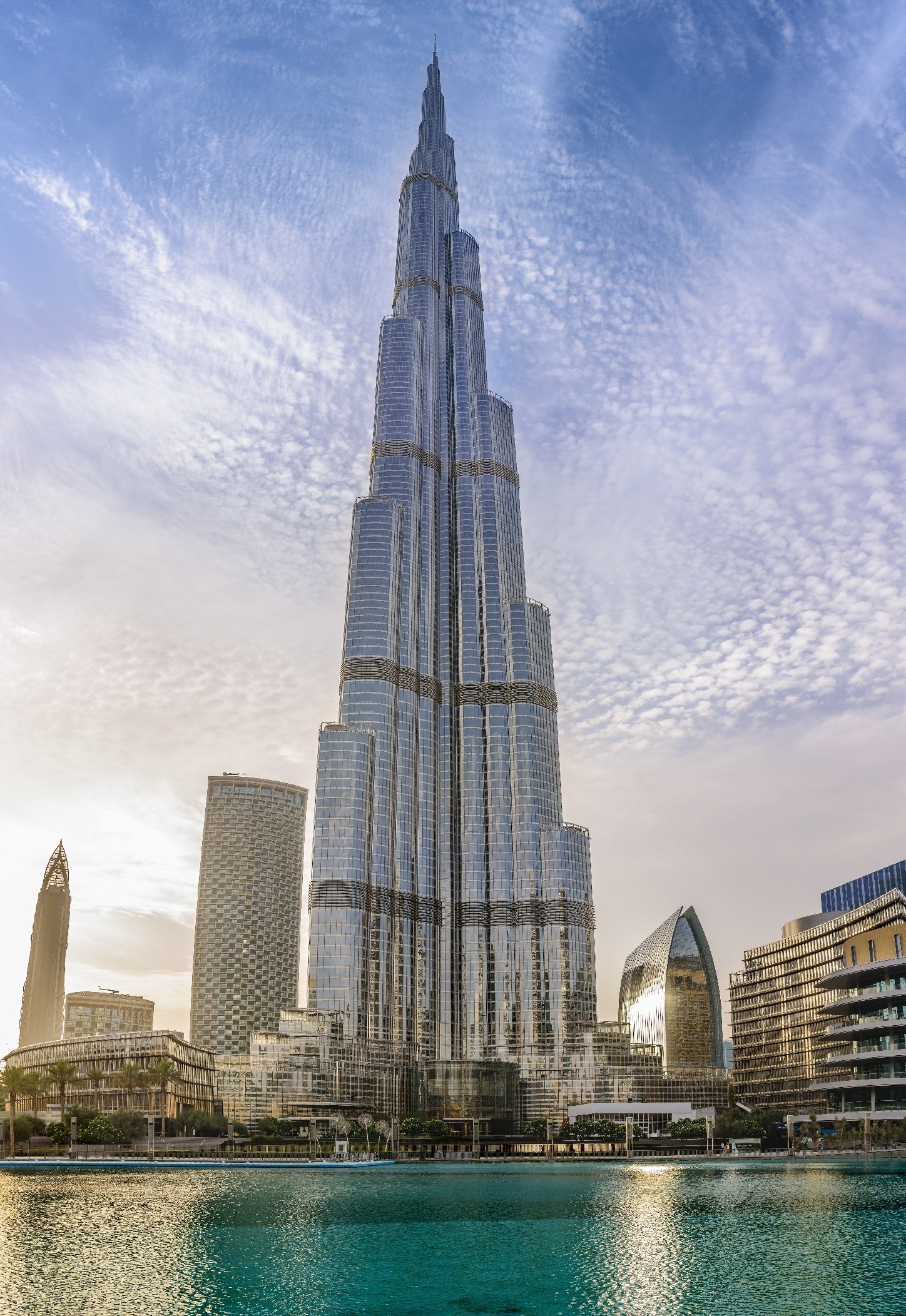
Introduction: When it comes to iconic landmarks, none compare to the awe-inspiring Burj Khalifa. Soaring 828 meters above the Dubai skyline, this architectural marvel demands precise navigation for visitors and workers alike. Today, we delve into the world of GPS technology and explore how it has revolutionized the way we navigate through the world's tallest building. 1. The Foundation of Precision: GPS in Burj Khalifa At the heart of the Burj Khalifa's navigation system lies GPS (Global Positioning System). This satellite-based navigation framework is responsible for ensuring seamless movement within the building. By leveraging signals received from satellites in orbit, GPS enables accurate positioning, speed determination, and precise timing. 2. Indoor Navigation: Overcoming the Vertical Challenge One of the unique aspects of navigating Burj Khalifa is its staggering height. Traditionally, GPS signals struggle to penetrate indoor spaces, making vertical navigation within the building a challenging task. However, advanced indoor GPS technology overcomes this obstacle by utilizing Wi-Fi, Bluetooth, and cellular signals to enhance location accuracy. From the ground floor to the mesmerizing observation deck, visitors can now easily find their way through this architectural masterpiece. 3. Wayfinding Made Simple: Smart Navigation Apps To further simplify navigation within Burj Khalifa, smart navigation apps have been developed specifically for the building. These apps leverage the power of GPS and provide visitors with real-time, turn-by-turn directions, ensuring they reach their desired destinations effortlessly. The apps are equipped with interactive maps, designated points of interest, and even suggested routes, making the experience immersive and stress-free. 4. Elevating the Experience: Unique Features The GPS navigation system at Burj Khalifa goes beyond the ordinary by integrating unique features that enhance the overall experience. For instance, visitors can access additional information about the building's history, architectural nuances, and interesting facts through the app. This adds an educational element to the journey, allowing guests to appreciate the engineering marvel while finding their way around. 5. Safety First: Emergency Navigation In any large structure, safety is of utmost importance. The GPS navigation system at Burj Khalifa doesn't just cater to regular wayfinding but also plays a crucial role in emergency situations. By accurately pinpointing the location of individuals within the building, emergency personnel can respond promptly and efficiently during crises, ensuring the well-being of visitors and staff. Conclusion: As we uncover the intricacies of the GPS navigation system at Burj Khalifa, it becomes evident how technology has transformed the way we explore and navigate through modern marvels of architecture. With the integration of GPS, indoor navigation has become seamless, offering visitors a captivating and safe experience. So, the next time you embark on a journey to the top of Burj Khalifa, rest assured that the GPS navigation system will be your trusted guide, ensuring you make the most out of this extraordinary experience.
Leave a Comment:
SEARCH
Recent News
- Zurich, Switzerland, is known for being a global city with a rich cultural and economic scene. A significant aspect of the population in Zurich is the Arab community, which contributes to the city's diversity and vibrancy. In recent years, online forums have become a popular platform for Arabs living in Zurich to connect, share information, and engage in discussions about various topics.
- YouTube Content Creation and Translation for Arabic Forums
- Today's blog post will delve into the fascinating world of Arab forums on YouTube. Arab forums serve as virtual gathering places for individuals to engage in discussions, share ideas, and connect with like-minded individuals from around the world.
- The World Cup is a tournament that captivates soccer fans around the globe, including in the Arab world. Arab football enthusiasts often express their passion for the sport and their favorite teams through online forums dedicated to the World Cup.
- Work Skills Development in Arab Forums
- Workplace Health Promotion Networks: A Growing Trend in Arab Forums
- Women in Politics: The Rise of Arab Women in Forums
- Understanding Women's Fatigue from an Arab Perspective: Insights from Online Forums
READ MORE
3 months ago Category :

Zurich, Switzerland, is known for being a global city with a rich cultural and economic scene. A significant aspect of the population in Zurich is the Arab community, which contributes to the city's diversity and vibrancy. In recent years, online forums have become a popular platform for Arabs living in Zurich to connect, share information, and engage in discussions about various topics.
Read More →3 months ago Category :

YouTube Content Creation and Translation for Arabic Forums
Read More →3 months ago Category :

Today's blog post will delve into the fascinating world of Arab forums on YouTube. Arab forums serve as virtual gathering places for individuals to engage in discussions, share ideas, and connect with like-minded individuals from around the world.
Read More →3 months ago Category :
