Unraveling the Politics of Dubai and Abu Dhabi: Exploring Potential Bias
Category : | Sub Category : Posted on 2024-01-30 21:24:53
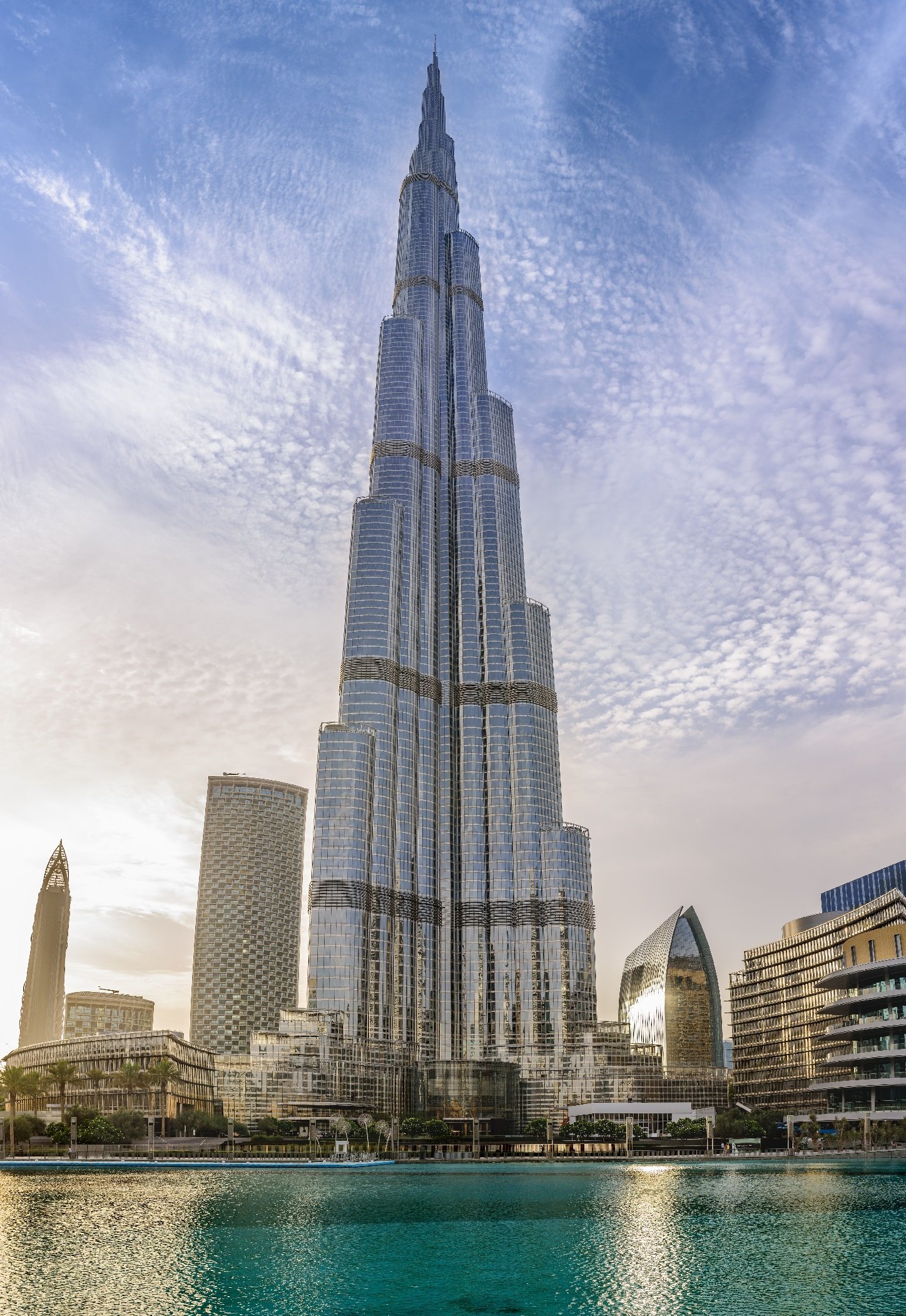
Introduction:
Dubai and Abu Dhabi, the two largest cities in the United Arab Emirates (UAE), are often portrayed as glittering urban metropolises, attracting tourists and investors from all corners of the world. However, behind the glamorous façade lies a complex web of politics, power dynamics, and potential bias. In this blog post, we will delve into the political landscape of Dubai and Abu Dhabi, exploring any underlying biases that may exist.
Understanding the Political Dynamics:
To comprehend the political bias that might exist in Dubai and Abu Dhabi, we must first understand their distinct political systems. Within the UAE, each emirate, including Dubai and Abu Dhabi, maintains a high degree of autonomy and has its own ruler called an Emir. This power structure provides a unique dynamic for political decision-making and policy implementation.
Dubai, often considered the commercial and cosmopolitan hub of the UAE, has embraced a more liberal and progressive approach to governance. Its ruler, Sheikh Mohammed bin Rashid Al Maktoum, has actively encouraged innovation, diversification, and economic development. This forward-thinking attitude has propelled Dubai onto the global stage as a leading business and tourism destination.
On the other hand, Abu Dhabi, the capital of the UAE, holds a significant amount of political and economic power. Ruled by Sheikh Khalifa bin Zayed Al Nahyan, Abu Dhabi has historically maintained a conservative approach to political, social, and economic matters. This has translated into a focus on oil-related industries, infrastructure development, and strategic investments.
Examining Potential Biases:
While both Dubai and Abu Dhabi strive to maintain stability and progress, individual biases may influence their decision-making processes. These biases can be rooted in several factors, such as historical and cultural backgrounds, economic considerations, or geopolitical influences.
Historical and Cultural Factors: The history and cultural traditions of each emirate play a significant role in shaping their political biases. Dubai's long-standing tradition of being a trading and mercantile city has shaped its liberal and business-friendly stance. Conversely, Abu Dhabi's history as the traditional seat of power has fostered a more conservative approach to governance.
Economic Considerations: The economic priorities of Dubai and Abu Dhabi also contribute to potential biases. Dubai's focus on economic diversification and private sector growth may lead to policies that favor businesses and entrepreneurship. Meanwhile, Abu Dhabi's heavy reliance on oil revenues, along with its focus on strategic investments, may influence its policies in favor of preserving its dominance in the energy sector.
Geopolitical Influences: Geopolitical considerations can also contribute to potential biases in Dubai and Abu Dhabi. With the UAE's position as a regional power, external influences and alliances can impact policy decisions. It is essential to consider the broader geopolitical landscape when analyzing the potential biases of these emirates.
Conclusion:
Dubai and Abu Dhabi, the shining stars of the UAE, possess unique political landscapes that occasionally exhibit biases. Dubai's progressive and business-friendly atmosphere contrasts with Abu Dhabi's more conservative approach grounded in preserving traditional values. To fully comprehend the political bias in these emirates, one must consider historical, economic, and geopolitical factors. By gaining a deeper understanding of these dynamics, we can better appreciate the nuances behind the glittering façade of Dubai and the political power of Abu Dhabi. For the latest insights, read: http://www.thunderact.com
If you are interested you can check http://www.vfeat.com
Want a deeper understanding? http://www.partiality.org
Leave a Comment:
SEARCH
Recent News
- Zurich, Switzerland, is known for being a global city with a rich cultural and economic scene. A significant aspect of the population in Zurich is the Arab community, which contributes to the city's diversity and vibrancy. In recent years, online forums have become a popular platform for Arabs living in Zurich to connect, share information, and engage in discussions about various topics.
- YouTube Content Creation and Translation for Arabic Forums
- Today's blog post will delve into the fascinating world of Arab forums on YouTube. Arab forums serve as virtual gathering places for individuals to engage in discussions, share ideas, and connect with like-minded individuals from around the world.
- The World Cup is a tournament that captivates soccer fans around the globe, including in the Arab world. Arab football enthusiasts often express their passion for the sport and their favorite teams through online forums dedicated to the World Cup.
- Work Skills Development in Arab Forums
- Workplace Health Promotion Networks: A Growing Trend in Arab Forums
- Women in Politics: The Rise of Arab Women in Forums
- Understanding Women's Fatigue from an Arab Perspective: Insights from Online Forums
READ MORE
3 months ago Category :

Zurich, Switzerland, is known for being a global city with a rich cultural and economic scene. A significant aspect of the population in Zurich is the Arab community, which contributes to the city's diversity and vibrancy. In recent years, online forums have become a popular platform for Arabs living in Zurich to connect, share information, and engage in discussions about various topics.
Read More →3 months ago Category :

YouTube Content Creation and Translation for Arabic Forums
Read More →3 months ago Category :

Today's blog post will delve into the fascinating world of Arab forums on YouTube. Arab forums serve as virtual gathering places for individuals to engage in discussions, share ideas, and connect with like-minded individuals from around the world.
Read More →3 months ago Category :
